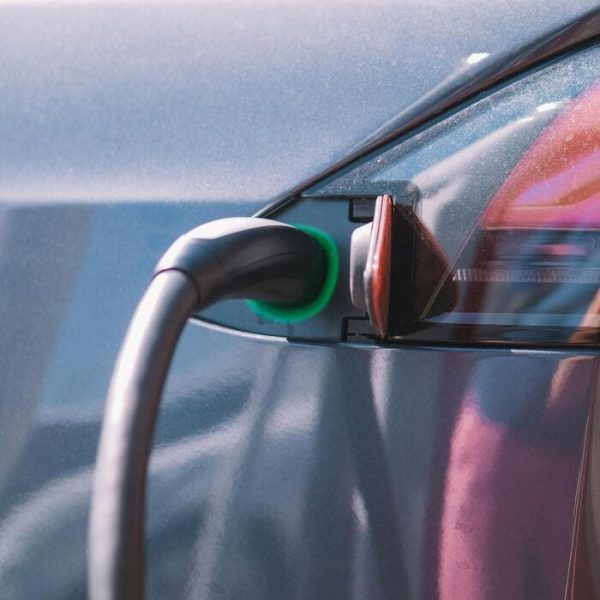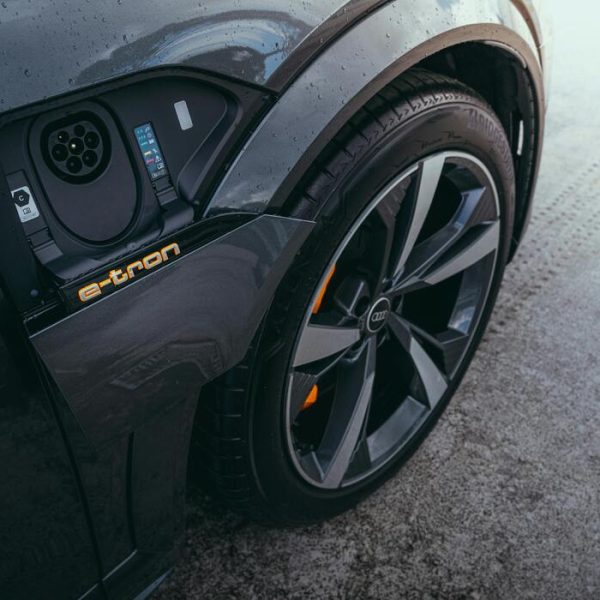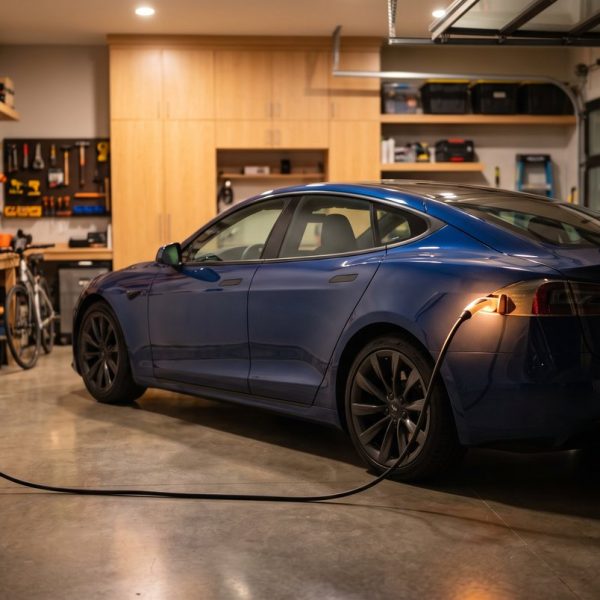
Buying an electric car is the easy part. Living with one comes down to a quieter question: where does it charge every night? For most drivers the answer sits in the garage or on an outside wall, in the shape of a home EV charging station that refills the battery while the house sleeps. Get that single piece right and the range worry people fret about tends to fade within a week.
Why charging at home changes everything
Public chargers get the headlines, but the reality of ownership is far more domestic. A car that starts every morning with a full battery rarely needs a forecourt at all. Charging at home is cheaper per mile than almost any public network, it happens on your schedule rather than someone else's, and it quietly removes the daily hunt for a working plug. The trade off is that you have to set it up properly, and that begins with understanding how these units actually work.
Level 1 versus Level 2, and why it matters
Every electric car can charge from an ordinary wall socket. That is Level 1 charging, and it is genuinely useful for plug in hybrids or low mileage drivers, but it is slow, often adding only three to five miles of range an hour. A Level 2 unit runs on a 240 volt circuit, the same kind that feeds an electric oven or a dryer, and it charges four to ten times faster. When people talk about installing a home EV charging station, they almost always mean a Level 2 wall box. For a neutral rundown of the charging levels and connector standards, the Wikipedia entry on the charging station is a solid reference.
What a home charging installation actually involves
The unit itself is only half the job. A proper ev charging station installation means running a dedicated circuit from your electrical panel to wherever the car will park. An electrician checks that the panel has spare capacity, fits the right breaker, runs the cable, mounts the box and tests it. In a modern home with a nearby panel this can be a couple of hours of work. In an older property, or where the parking space sits far from the panel, it becomes a bigger project. This is the stage where honest advice matters far more than a cheap quote.
How to install an EV home charging station without surprises
If you are weighing up how to install an ev home charging station, three things decide how smoothly it goes. First, the distance between your panel and the parking spot, because long cable runs add cost fast. Second, the age and capacity of your electrical panel, since some homes need an upgrade before a fast charger is safe. Third, whether you want a basic unit or a smart one that schedules charging around cheap overnight tariffs and tracks your energy use. Settling these questions before the electrician arrives saves both money and a wasted second visit.
What it costs
Prices vary widely, but the hardware for a decent Level 2 wall box usually lands in a few hundred dollars, with installation adding a similar amount for a straightforward job. Complicated cable runs or a panel upgrade can push the total higher. Many regions still offer rebates or tax credits that soften the blow, so it is worth checking local incentives before you buy. Owners tend to compare real world pricing and installer stories in communities like r/electricvehicles, which is a useful reality check against a single contractor's estimate.
Home charging installations reveal a great deal about how quickly households actually adopt new infrastructure, as opposed to how quickly they say they will. Tracking that gap is central to reading consumer trends honestly rather than optimistically. Stated intent and installed hardware are very different datasets.
Charging infrastructure assumes a stable grid, which is a bigger assumption in some countries than others. Electrification priorities differ enormously. Readers of ethiopia news will know that hydro capacity there has been a defining national project rather than a technical footnote.
What if you rent or share a driveway
Not everyone has a private garage, and that is the honest limitation of home charging. If you rent, you will need the landlord's permission to fit a wall box, and in shared parking the logistics get trickier. Some blocks are adding communal chargers, and workplace charging is filling part of the gap, but for now a private off street space remains the easiest route. If that is not yet an option, a mix of public rapid chargers and the occasional Level 1 top up can still make ownership work, just with a little more planning.
Kinder to the battery than you think
A home charger is also gentler on your battery than many people expect. Charging slowly and overnight generates less heat than repeated fast charging on the road, and most cars let you cap the charge at eighty percent to protect long term health. The pace of improvement here is quick, and the next wave of electric car battery technology promises even more forgiving chemistry. Documentation for imported chargers and battery systems often depends on careful technical translation so that safety instructions stay accurate from one market to the next, a detail that matters more than it sounds when high voltage equipment is involved.
None of this should put you off. A home EV charging station is one of those upgrades that quietly reshapes daily life, turning a car that once needed planning into one that simply works. Spend a little time on the setup, ask the electrician the awkward questions early, and the rest tends to take care of itself.