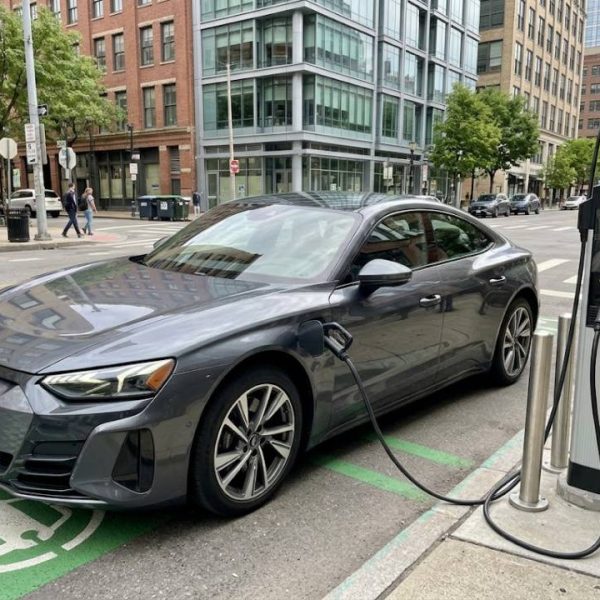
Choosing a car used to mean picking a body style and an engine size. Today the first decision is the type of power: fully electric, hybrid or traditional petrol or diesel. Each option suits some drivers better than others, and the right answer depends less on trends than on how you actually use your car.
This guide compares the options in plain terms and gives you a simple way to decide.
Start by looking at your own driving
Track a typical week. How many miles do you drive each day, how often do you take long trips and where do you park at night? These facts matter more than any brochure.
Your daily distance and your access to home charging usually decide whether an electric car makes sense.
A short commute with a driveway or reserved parking is ideal for electric. Frequent long journeys without easy charging may favour a hybrid or an efficient petrol model.
Electric cars in brief
Electric cars run on a battery and have no exhaust emissions while driving. They are quiet, quick to accelerate and usually cheaper to run per mile when charged at home.
Purchase prices can be higher, though incentives and falling battery costs are narrowing the gap. Range varies by model, speed, temperature and load, so check real-world figures, not only official numbers.
Independent analysis such as the International Energy Agency reports on electric vehicles helps you understand how the market and charging networks are developing.
Hybrids, a bridge between worlds
A hybrid combines a petrol engine with an electric motor. Standard hybrids recharge themselves while driving, while plug-in hybrids can be charged from the mains and drive a limited distance on electricity alone.
They suit drivers who want lower fuel use without changing habits, or who make long trips occasionally. Plug-in hybrids give the most benefit when you actually plug them in regularly.
Petrol and diesel still have a place
Modern petrol cars are efficient and often cheaper to buy. Diesel can make sense for very high mileage, although restrictions in some city centres should be checked first.
If you drive rarely or live where charging is difficult, a well-chosen petrol car can still be a sensible and affordable choice.
Understand the total cost of ownership
Look beyond the sticker price. Add fuel or electricity, insurance, tax, servicing, tyres, depreciation and finance costs over the years you plan to keep the car.
Electric cars often have lower service costs, while hybrids and petrol cars may be cheaper to buy upfront. Use an online calculator to compare real numbers for your own mileage.
Charging and refuelling
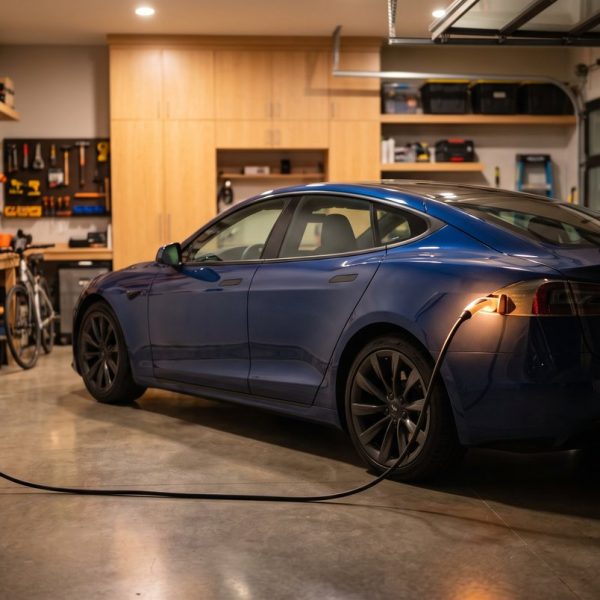
Home charging is the cheapest and most convenient option. Public networks vary in speed and price, so check the apps and coverage along your usual routes.
Petrol refuelling takes minutes everywhere, which remains an advantage for spontaneous long journeys.
Space, comfort and safety
Consider passengers, luggage and parking. A compact city car can be easier than a large SUV, even if the SUV looks appealing.
Check safety ratings and driver assistance features. These matter regardless of how the car is powered.
Buying across borders and reading the manual
Many drivers import or buy cars from other countries, or work with manuals, service records and warranty terms written in another language. Misunderstanding a warning light description or service interval can be costly.
Professional German translation services help owners and dealers understand technical documents for German-made vehicles and communicate clearly with manufacturers.
This article on business document translation services explains how companies keep contracts and technical papers accurate across languages.
Test drive before you decide
Drive the cars you are considering on roads you know. Check visibility, seat comfort, noise and how easy the controls are to use.
For electric and hybrid models, ask about battery warranty, charging speeds and how the infotainment system shows energy use.
New or used
New cars bring warranty and the latest technology, while used cars lose less value per year. For used electric cars, ask for battery health information, since it affects range and resale value.
Check service history and ensure all recalls have been completed before you buy.
Common mistakes buyers make
Many people choose a car for the one long holiday trip they take each year, then pay for that capability every day. Others focus on the maximum range and forget that most days need only a fraction of it.
It is also easy to ignore insurance groups and tyre costs, which can be higher for powerful or heavy models. Get quotes before you commit.
Buy for the ninety percent of journeys you make, and rent or borrow for the rare exception.
A simple decision rule
If you can charge at home and drive moderate distances, electric is often the best long-term value. If you drive far and charge rarely, a hybrid is a good compromise. If your use is occasional and your budget is tight, a petrol car can still make sense. Choose the car that fits your life today, with a little room for what may change tomorrow.
Most Read




Featured Posts